
The Roots of East Knoxville: Honoring the Past, Embracing the Present, and Building the Future
The history, resilience, and enduring legacy of one of Knoxville's most culturally significant communities.
Before the new construction, before the redevelopment, and long before conversations about revitalization, East Knoxville was already a community rich in culture, opportunity, entrepreneurship, and pride.
Its story is one of families who built homes, business owners who created opportunities, churches that strengthened neighborhoods, and generations who established roots that continue to shape Knoxville today.
To understand where East Knoxville is going, we must first understand where it came from.
Where It All Began: The Early Roots of East Knoxville
East Knoxville's history stretches back to the nineteenth century. An early municipality known as East Knoxville was incorporated in the 1850s and became part of Knoxville following the Civil War.
As Knoxville expanded, communities developed along corridors such as Magnolia Avenue, Dandridge Avenue, and what is now Martin Luther King Jr. Avenue.
Over time, neighborhoods including Park City, Parkridge, Burlington, Five Points, and Holston Hills developed their own distinctive identities.
Streetcars, neighborhood businesses, schools, and churches helped connect residents to employment, commerce, and community life.
But one of the most important chapters in East Knoxville's history is the story of its African American community.
A Thriving Black Community Built on Ownership and Opportunity
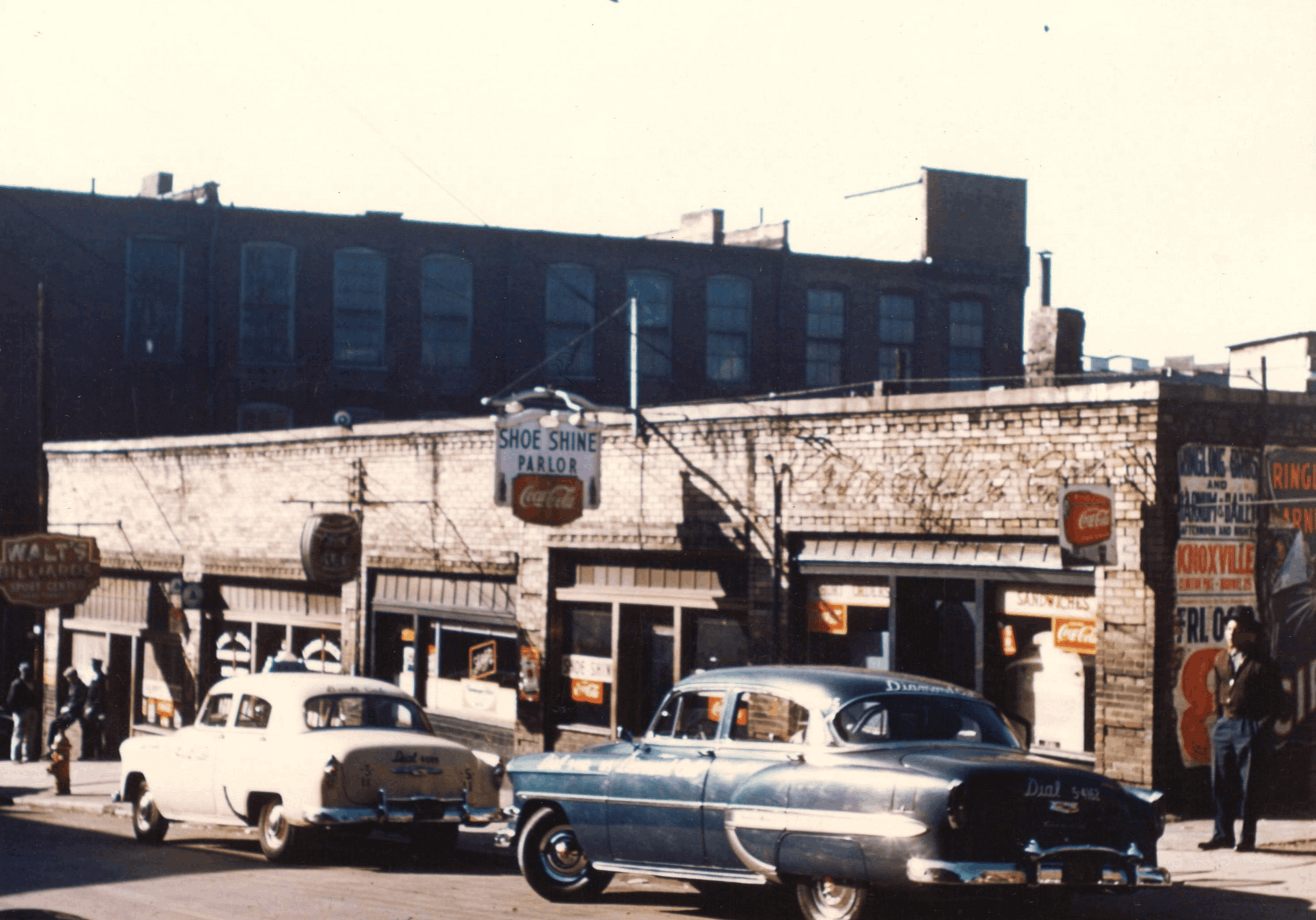
During the late nineteenth and early twentieth centuries, the eastern side of downtown Knoxville and the surrounding communities became important centers of Black life.
Areas known as The Bottom and Vine Avenue were home to Black-owned businesses, restaurants, entertainment venues, professional offices, churches, and residences.
Vine Avenue was especially significant.
It was a place where Black entrepreneurs established businesses and residents supported one another during an era when segregation limited opportunities elsewhere.
The historic Gem Theatre welcomed audiences and performers, while the Carnegie Library on Vine Avenue provided access to books and educational resources for Black residents.
Families built businesses, purchased property, raised children, and created opportunities for future generations.
This was more than a collection of streets and buildings.
It was a community building its own economic foundation.
The People Who Helped Shape the Community
Among the many influential families connected to Knoxville's Black history were James and Ethel Beck.
Their former residence on Dandridge Avenue would eventually become the Beck Cultural Exchange Center, one of East Tennessee's most important institutions dedicated to preserving African American history and culture.
East Knoxville's broader cultural history also includes the remarkable Delaney family.
Artists Beauford and Joseph Delaney grew up on East Vine Avenue and went on to establish significant artistic legacies.
Their stories remind us that the roots of East Knoxville extend beyond real estate and physical development. They include art, education, leadership, entrepreneurship, and the determination to create something meaningful for future generations.
When Progress Came at a Cost: The Urban Renewal Era
Beginning in the late 1950s, Knoxville undertook urban renewal projects that dramatically changed the landscape of its Black communities.
The Willow Street, Mountain View, and Morningside projects resulted in the demolition of homes, businesses, churches, and entire sections of established neighborhoods.
According to historical information published by the City of Knoxville and the Beck Cultural Exchange Center, more than 2,500 families were displaced, with Black families accounting for more than 70 percent of those affected.
Road construction and redevelopment permanently altered the connection between East Knoxville and downtown.
Families lost homes. Business owners lost commercial properties. Communities lost gathering places and institutions that had taken generations to establish.
And with those losses came something that cannot be measured simply by the number of demolished buildings: lost opportunities to build and transfer wealth.
For many families, property ownership represented financial stability, independence, and something tangible to pass down to their children.
When that property disappeared, the consequences extended far beyond a single generation.
Understanding this history matters because East Knoxville's story cannot be told accurately without acknowledging both what was built and what was lost.
Preserving the Roots: The Beck Cultural Exchange Center
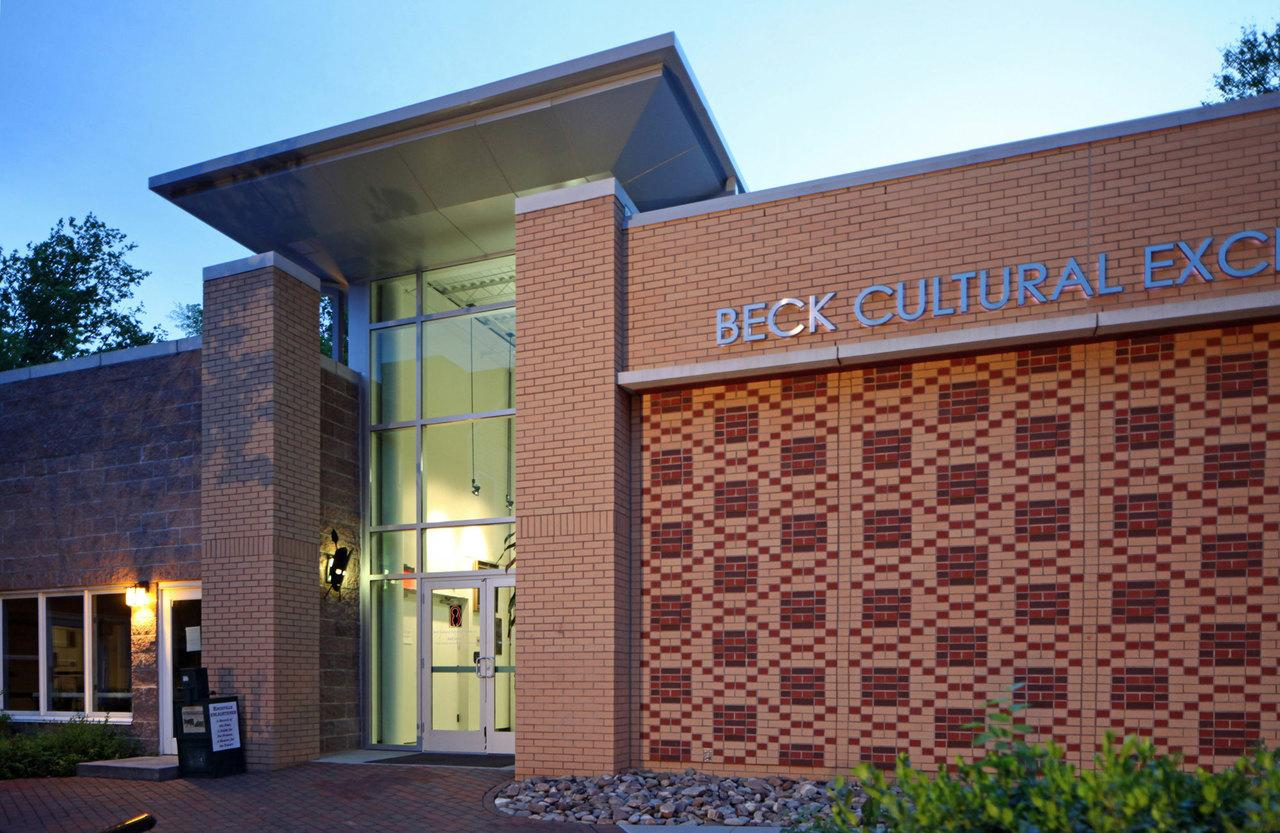
In 1975, the Beck Cultural Exchange Center was established through a community-led effort to preserve the history and cultural contributions of African Americans in East Tennessee.
Located at 1927 Dandridge Avenue, the center has become a place where historical records, photographs, artifacts, and personal stories help ensure that the community's history is not forgotten.
It stands as a reminder that preserving history is an essential part of building a meaningful future.
The homes may change. Streets may be redesigned. New businesses may open.
But the stories of the people who came before us deserve to remain.
East Knoxville Today: A Community Continuing to Evolve
Today, East Knoxville is experiencing another period of change.
New homes, renovation projects, commercial investment, and public improvements are contributing to conversations about the area's future.
The opening of Covenant Health Park in 2025 near the historic Bottom and Old City represents one of the most visible recent developments near the eastern edge of downtown.
Neighborhoods such as Parkridge, Burlington, Five Points, and Holston Hills continue to reflect different architectural styles, housing opportunities, and community traditions.
Historic homes stand alongside renovated properties and newly constructed residences.
But with renewed investment comes an important responsibility.
Revitalization should not mean forgetting the people and families who sustained these communities through difficult times.
Meaningful progress includes preserving neighborhood character, supporting existing residents, creating opportunities for local businesses, and making homeownership more accessible.
Homeownership, Generational Wealth, and the Next Chapter
Real estate has always been about more than land and buildings.
For many families, owning a home represents stability, opportunity, and the ability to build something that can benefit the next generation.
That is especially meaningful in communities where historic displacement disrupted opportunities for property ownership and wealth creation.
As East Knoxville continues to evolve, conversations about its future should include affordable homeownership opportunities, responsible development, housing preservation, and pathways for longtime residents to benefit from neighborhood investment.
New construction can play a role. So can the restoration of existing homes, financial education, and thoughtful investment.
The goal should be a stronger community that honors its past while creating opportunities for the future.
Rooted in History. Growing Toward the Future.
At Rooted Realty Co., we believe that understanding a community's history makes us better advocates for its future.
East Knoxville is not simply a location on a map or an emerging real estate market.
It is a community built by generations of people whose resilience, achievements, and contributions helped shape the city we know today.
We honor the families who established these roots, the entrepreneurs who created opportunities, and the community leaders who worked to preserve their legacy.
As Realtors, we recognize the responsibility that comes with helping people buy, sell, build, and invest in communities with such meaningful histories.
Because real estate is not only about where we live.
It's about what we build, what we preserve, and what we leave behind.
The roots of East Knoxville run deep. And its story is still being written.
Rooted Realty Co. — Grounding Your Dreams.
Rooted in Community. Rooted in History. Rooted in Homeownership.
Visit rootedrealtyco.com to learn more about buying, selling, and building in Knoxville and East Tennessee.x
Categories

GET MORE INFORMATION
